
Understanding whether you might be autistic can be a profound journey of self-discovery. At Bridges of the Mind Psychological Services, we guide individuals through this important process with compassionate, neurodiverse-affirmative assessments. Our team understands that recognizing signs of autism requires personalized attention and expert evaluation to help you determine how to know if you have autism.
Understanding Autism Spectrum Disorder
Autism spectrum disorder (ASD) is a neurodevelopmental condition affecting approximately 1 in 45 adults in the United States. When people ask how to know if you have autism, we explain that autism spectrum disorder represents beautiful human neurodiversity—natural differences in how the brain develops and processes information across the autism spectrum.
The “spectrum” aspect is crucial because autism spectrum disorder manifests differently in each person. Some individuals need significant daily support, while others live independently and may not receive an autism diagnosis until adulthood. At our practice serving Sacramento, San Jose, and South Lake Tahoe, we see autistic adults discovering their autism spectrum characteristics across all life stages.
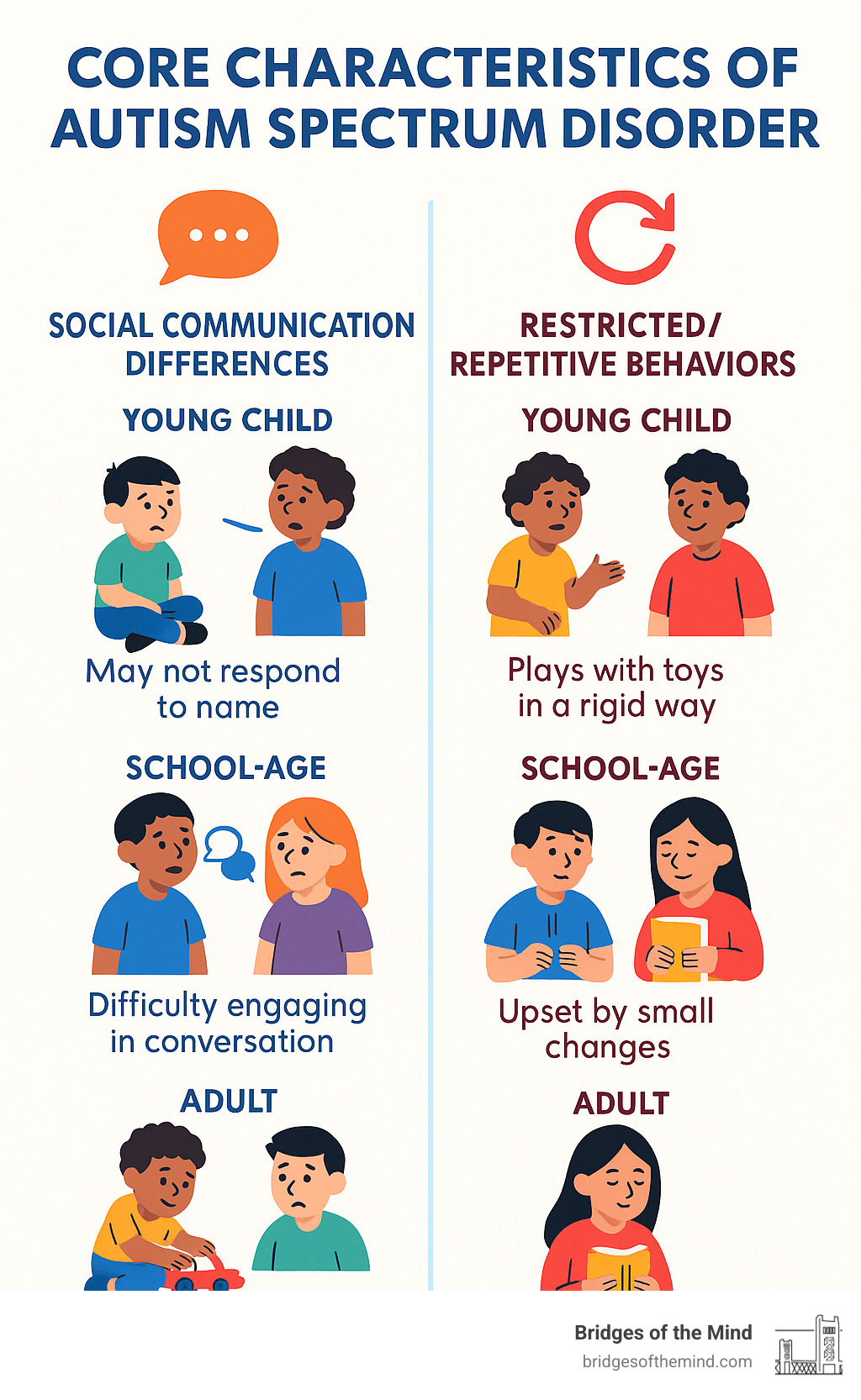
Common characteristics of autism spectrum disorder include social communication differences, restricted or repetitive behaviors and interests, and sensory processing variations. However, these autism symptoms present uniquely in each individual, which is why comprehensive professional assessment remains essential for accurate understanding of the autism spectrum.
Core Signs of Autism in Adults
Social Communication Differences
Many autistic adults wondering how to know if you have autism first notice persistent social communication challenges. These autism symptoms might include:
Conversation Difficulties: Struggling with two way conversation, interpreting social cues, or knowing when someone wants to end a conversation. Small talk may feel pointless or overwhelming, while you excel at discussing topics that genuinely interest you. Many autistic adults describe difficulty maintaining social interactions that feel natural.
Nonverbal Communication: Eye contact might feel uncomfortable or overwhelming. You may miss facial expressions, body language, or tone of voice that convey meaning beyond words. Many autistic people describe feeling like others received social rules they never learned, making social situations challenging to navigate.
Relationship Patterns: You might prefer one-on-one interactions over group settings, have a few close friends rather than many acquaintances, or experience social exhaustion requiring significant recovery time. Building meaningful relationships may feel more challenging than it appears for other children or adults around you.
Literal Interpretation: Sarcasm, metaphors, and implied meanings can be confusing. You may take things at face value while others understand hidden meanings intuitively—a common characteristic among autistic people.
Restricted and Repetitive Behaviors
The second core area involves patterns of behavior, interests, or activities that represent main signs of autism spectrum disorder:
Special Interests: Intense, passionate focus on specific topics that bring genuine joy and comfort. These interests aren’t just hobbies but deep fascinations that you can discuss extensively and may provide encyclopedic knowledge—a common characteristic among autistic adults.
Routine Preferences: Strong need for predictability and distress when plans change unexpectedly. You might follow the same routine daily or become upset when minor changes disrupt your schedule. Many autistic people find comfort in maintaining consistent patterns in everyday life.
Repetitive Behaviors: Self-regulating movements like hand flapping, rocking, tapping, or specific phrases repeated for comfort. These repetitive behaviours, often called “stimming,” help manage stress or excitement and represent common signs of autism spectrum disorder.
Detail Focus: Noticing small details others miss while sometimes struggling with “big picture” thinking. You might excel at tasks requiring attention to unusual patterns but find abstract concepts challenging.
Sensory Processing Differences
Sensory experiences often provide significant clues when determining how to know if you have autism:
Hypersensitivity: Becoming overwhelmed by sensory stimuli that others barely notice. You might wear sunglasses indoors, avoid certain clothing fabrics, or need quiet spaces to decompress from overwhelming sensory input.
Hyposensitivity: Reduced sensitivity to pain, temperature, or other sensations. Some autistic adults actively seek specific sensory input like deep pressure or spinning to meet their sensory needs.
Sensory Seeking or Avoiding: Deliberately pursuing certain sensory experiences for regulation or actively avoiding overwhelming stimuli. These aren’t preferences but essential coping strategies for daily functioning that many autistic people develop throughout life.
Autism in Women and Masking Behaviors
Traditional autism research historically focused on boys and men, leading to significant underdiagnosis in autistic women. Female autism spectrum disorder presentation often involves “masking”—hiding natural autistic traits to appear neurotypical in social situations.
Common masking behaviors among autistic women include:
- Rehearsing conversations in advance or memorizing appropriate social responses
- Mimicking others’ speech patterns, gestures, or facial expressions
- Suppressing repetitive behaviors or replacing them with socially acceptable alternatives
- Forcing uncomfortable eye contact during social interactions
- Developing different personas for various social situations
While masking may help navigate social situations short-term, it often leads to exhaustion, anxiety, depression, and disconnection from authentic self-expression. Many autistic adults seeking autism assessment report decades of unsustainable masking that significantly impacted their mental health and feelings of authenticity.
Distinguishing Autism from Similar Conditions
Learning how to know if you have autism involves understanding how autism spectrum disorder differs from co occurring conditions with overlapping symptoms:
Autism vs. ADHD: Both involve executive functioning challenges and possible sensory sensitivities. However, ADHD primarily affects attention regulation and impulse control, while autism spectrum disorder’s core characteristics involve social communication differences and restricted/repetitive patterns of behavior.
Autism vs. Anxiety: Social anxiety might resemble autistic social challenges superficially. The key difference: someone with social anxiety typically understands social rules but fears judgment, while autistic people may struggle to intuitively grasp unwritten social expectations in various social situations.
Autism vs. OCD: Both can involve routines and repetitive behaviors, but underlying motivations differ. OCD symptoms typically stem from intrusive thoughts and anxiety, while autistic routines and repetitive behaviours are often comforting and regulating.
Many individuals have related conditions alongside autism spectrum disorder. Research indicates 50-70% of autistic adults also have ADHD, along with higher rates of anxiety and depression as co occurring conditions.
Self-Screening and Professional Assessment
Starting with Self-Reflection
Before seeking professional evaluation, consider these reflection questions about common signs of autism spectrum disorder:
- Do you have persistent difficulties with social communication that began in early childhood?
- Have you always felt “different” without understanding why since the teenage years or earlier?
- Do you have intense interests that bring joy and comfort throughout life?
- Are you highly sensitive to sensory input or seek specific sensory experiences?
- Do you strongly prefer routines and become upset with unexpected changes?
- Have you developed complex coping strategies to navigate social situations?
Reputable Self-Screening Tools
Several validated questionnaires can help you explore autism spectrum characteristics for personal use:
- Autism Spectrum Quotient (AQ): 50-question diagnostic tool examining social skills, attention switching, detail focus, communication, and imagination
- Ritvo Autism Asperger Diagnostic Scale-Revised (RAADS-R): Particularly helpful for autistic adults who may have been missed during childhood
- Camouflaging Autistic Traits Questionnaire (CAT-Q): Measures masking behaviors common among autistic people
Remember that self-screening tools provide insights but aren’t a diagnostic tool for autism spectrum disorder. They’re valuable starting points before consulting a healthcare professional for comprehensive autism assessment.
Professional Evaluation Process
At Bridges of the Mind, our comprehensive autism assessment includes:
Clinical Interview: Exploring your current concerns, developmental history, and life experiences through detailed conversation rather than simple checklist completion. We examine signs of autism across your entire development, including child’s development patterns and experiences in adulthood.
Standardized Assessments: Using gold-standard diagnostic tools like the Autism Diagnostic Observation Schedule (ADOS-2) and Autism Diagnostic Interview-Revised (ADI-R) to objectively measure autism spectrum characteristics and symptoms.
Cognitive and Adaptive Functioning: Understanding how you think, solve problems, and handle everyday life tasks—essential for comprehensive autism spectrum disorder evaluation.
Sensory Profile Assessment: Examining how you process environmental information, often a key piece of the autism spectrum puzzle for many autistic adults.
Collateral Information: Gathering input from people who know you well about early development and current functioning to support accurate autism diagnosis.
Differential Diagnosis: Considering whether experiences might be better explained by other conditions or identifying co occurring conditions alongside autism spectrum disorder.
Our assessment process typically involves 2-3 sessions at our location serving the Sacramento, San Jose, and South Lake Tahoe areas, followed by a comprehensive feedback session. We explain findings clearly, answer questions, and provide practical recommendations for autistic adults seeking support.

Life After Autism Recognition
Whether through self-recognition or formal autism diagnosis, understanding your autism spectrum characteristics can be transformative. Many autistic adults describe finally having an explanation that makes sense of lifelong experiences and feelings.
Benefits of Understanding Your Autism
- Self-Understanding: Making sense of past experiences and current challenges related to autism spectrum disorder
- Self-Compassion: Recognizing difficulties weren’t personal failings but characteristics of autism spectrum differences
- Community: Connecting with other autistic people who share similar experiences across the autism spectrum
- Accommodations: Accessing workplace adjustments, academic supports, or disability services for autistic adults
- Targeted Support: More effective therapy and coping strategies tailored to your autism spectrum characteristics
- Relief: Finding the “missing piece” that explains many life aspects and unusual experiences
Practical Support Strategies
Sensory Management: Develop a personalized toolkit including noise-canceling headphones, sunglasses, comfortable clothing, or fidget items for regulation of sensory input that many autistic people find helpful.
Executive Function Support: Use visual schedules, reminders, and structured routines to manage everyday life tasks more effectively—strategies that benefit many autistic adults.
Energy Management: Learn to recognize overwhelm signs and build in adequate recovery time after demanding social situations or changes to routine.
Communication Strategies: Consider disclosure decisions thoughtfully and develop scripts for explaining your autism spectrum characteristics to others when appropriate.
Professional Support: Explore autism-affirming therapy options when needed, including cognitive behavioral therapy, occupational therapy, or specialized counseling for autistic adults and their unique characteristics.
Talking to Others About Your Autism
Sharing autism spectrum disorder suspicions or diagnosis requires careful consideration:
- Prepare key points about what autism spectrum disorder means to you and how characteristics affect your life
- Share educational resources that resonate with your experience of autism symptoms and signs
- Set clear boundaries about what you’re comfortable discussing regarding your autism diagnosis
- Allow others processing time to adjust their understanding of autism spectrum differences
- Be persistent with healthcare professionals if you feel dismissed about potential autism spectrum characteristics
Supporting Autistic Individuals and Families
At Bridges of the Mind, we believe autism diagnosis should open doors to support rather than define limitations for autistic people. Our neurodiverse-affirmative approach respects autism spectrum disorder as natural, valuable variation in human neurology across all ages.
For families supporting autistic adults or children, education from autistic people’s perspectives proves particularly valuable. Understanding communication differences and how autism spectrum characteristics manifest helps create supportive environments for everyone.
We recommend connecting with autistic-led support groups, both online and in-person, for authentic community and practical coping strategies. These connections often provide invaluable insight that traditional medical resources cannot offer to autistic adults seeking understanding.
Why Choose Bridges of the Mind
Our practice stands apart through several key differentiators for autism spectrum disorder assessment:
No Waiting Lists: We understand that questions about autism spectrum characteristics shouldn’t wait months or years for answers. Our streamlined process allows comprehensive autism assessment within 2-3 weeks for adults seeking diagnosis.
Neurodiverse-Affirmative Approach: We celebrate the autism spectrum as natural human variation rather than pathologizing differences. Our assessments honor your complete person, not just symptoms or unusual characteristics.
Comprehensive Services: Beyond autism assessment, we provide ADHD testing, learning disability evaluations, and therapy for anxiety, depression, stress, and trauma—all with deep understanding of how these relate to autism spectrum characteristics.
Experienced Team: Our clinicians have extensive training in autism spectrum disorder assessment across the lifespan, with particular expertise in recognizing signs of autism in women, autistic adults, and individuals who may have been previously overlooked despite clear characteristics.
Personalized Care: Every autism assessment considers your unique background, culture, and individual presentation. We reject one-size-fits-all approaches in favor of truly individualized understanding of autism spectrum differences.

Frequently Asked Questions
Can autism spectrum disorder be diagnosed in adulthood? Absolutely. While autism spectrum characteristics are present from early development, many autistic adults receive their first autism diagnosis later in life, particularly autistic women and individuals with less obvious signs of autism.
What if I don’t meet every criterion for autism spectrum disorder? Autism is a spectrum condition with significant individual variation in characteristics and symptoms. You don’t need to check every box to be diagnosed as autistic. Our comprehensive evaluations consider your unique presentation across the autism spectrum.
Will insurance cover my autism assessment? We accept Kaiser insurance through our Autism Clinic. For self-pay clients, we provide detailed documentation that may be submitted to insurance for potential reimbursement of autism spectrum disorder evaluation costs.
How long does the autism assessment process take? Our assessments typically require 2-3 sessions plus a feedback meeting, completed within 2-3 weeks of initial contact for adults seeking autism diagnosis.
What’s the difference between autism symptoms in childhood versus adulthood? While core autism spectrum characteristics remain consistent, they may manifest differently as individuals develop coping strategies. Many autistic adults report that signs of autism were present in childhood but went unrecognized, particularly among autistic women who often develop masking behaviors.
Taking Your Next Step
If you recognize yourself in these signs of autism and characteristics of autism spectrum disorder, consider reaching out for professional evaluation. Understanding your neurology can be genuinely life-changing for autistic adults, providing clarity, community, and access to appropriate supports.
At Bridges of the Mind, we’re committed to making autism assessment accessible and affirming for all adults across the autism spectrum. Our location serves individuals throughout Sacramento, San Jose, and South Lake Tahoe with convenient scheduling and no lengthy waitlists for autism diagnosis.
Whether you’re exploring autism spectrum disorder for yourself or supporting someone you love, we’re here to provide expert, compassionate guidance. A healthcare professional on our team can help you understand autism symptoms, characteristics, and how they manifest in your everyday life.
Contact us today to learn more about our comprehensive autism testing services and begin your journey toward greater self-understanding of your place on the autism spectrum. Remember: seeking answers about autism spectrum characteristics takes courage, and we honor that bravery with respectful, expert care that celebrates the full autism spectrum in all its forms.